
















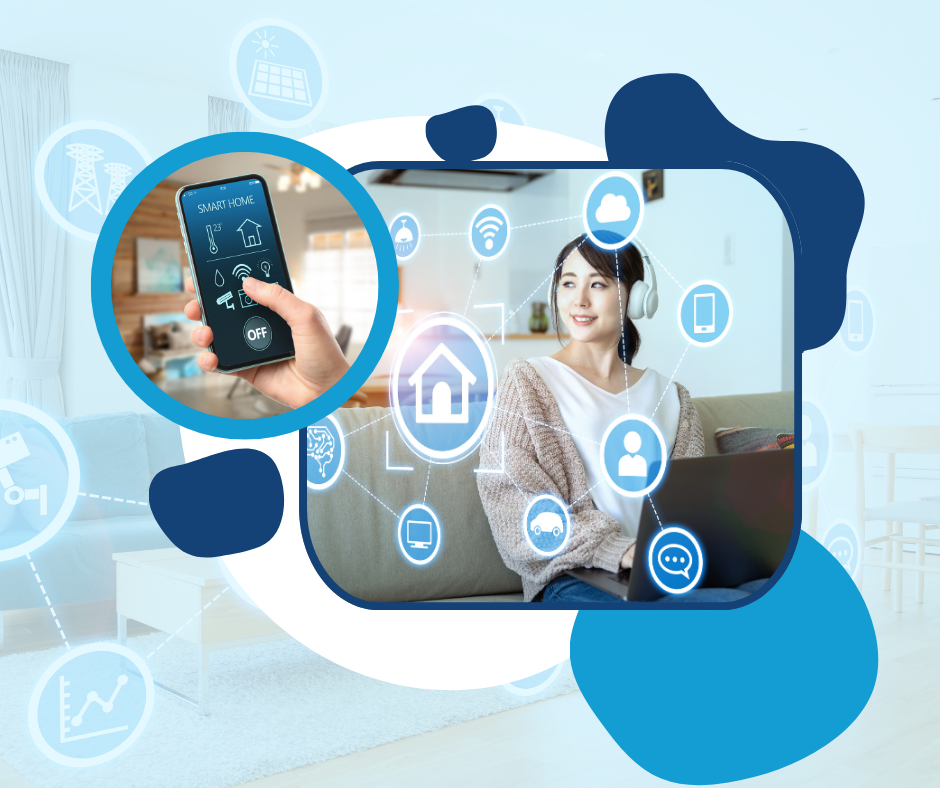
Imagine waking up and controlling your blinds, lights, room temperature, and front door lock without moving a muscle. What used to feel like science fiction is now reality. For NDIS participants, smart home automation has shifted from being a collection of high-tech luxury gadgets to serving as essential infrastructure that maximises physical independence. Modern assistive technology (AT) completely changes how we approach accessibility, giving individuals unprecedented autonomy over their living spaces.
The Tech Shift: Moving Beyond Physical Modifications
Historically, making a home accessible meant heavy structural modifications—building concrete ramps, widening doorways, or stripping out bathrooms. While these structural elements remain critical, digital solutions are stepping in to eliminate daily friction. Voice commands, facial recognition, and smartphone integrations now bridge physical barriers effortlessly.
This digital transformation works beautifully alongside traditional modifications. Integrating smart technology into your environment allows you to maximise the benefits of structural updates. You can explore how physical layouts and technical design work together in our guide to housing modification mastery: how to foster your best wellbeing.
Three Automation Trends Shaping NDIS Independent Living
As the NDIS framework continuously expands its definition of Assistive Technology (AT) and Specialist Disability Accommodation (SDA) design standards, three key trends have emerged as game-changers for accessible housing:
1. Unified Ecosystems and Centralised Control
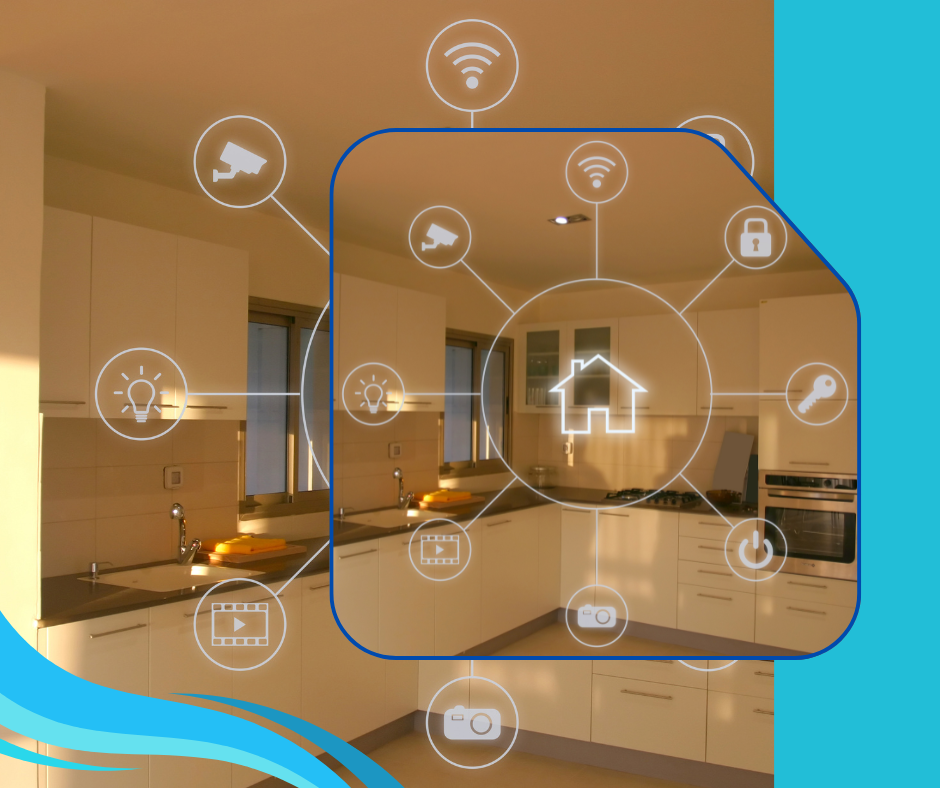
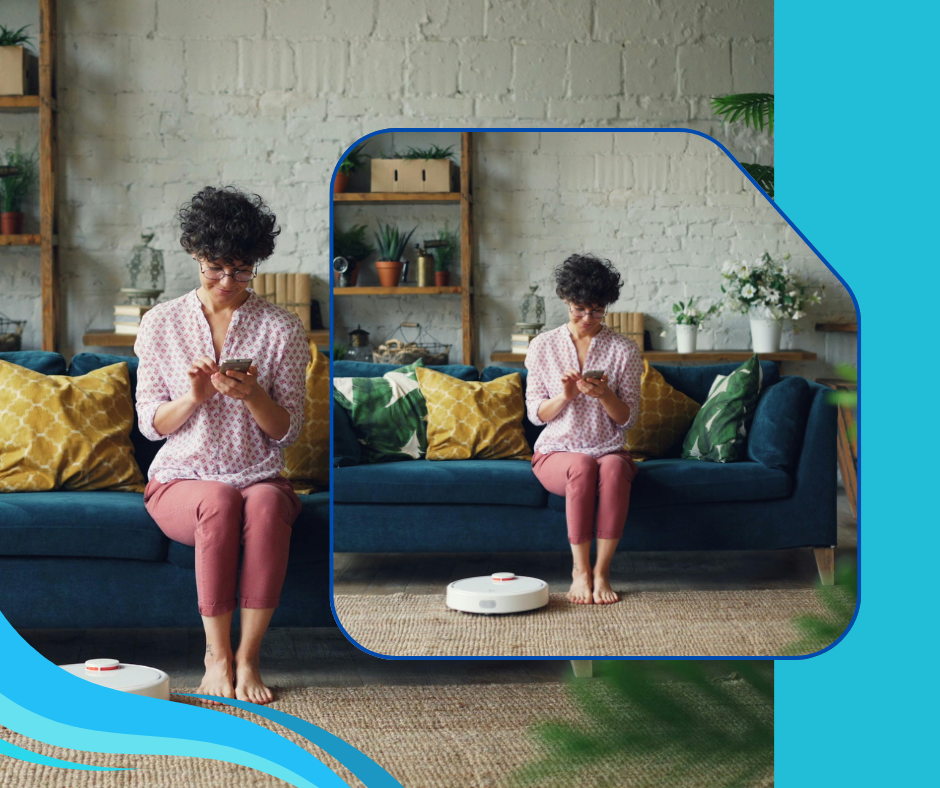
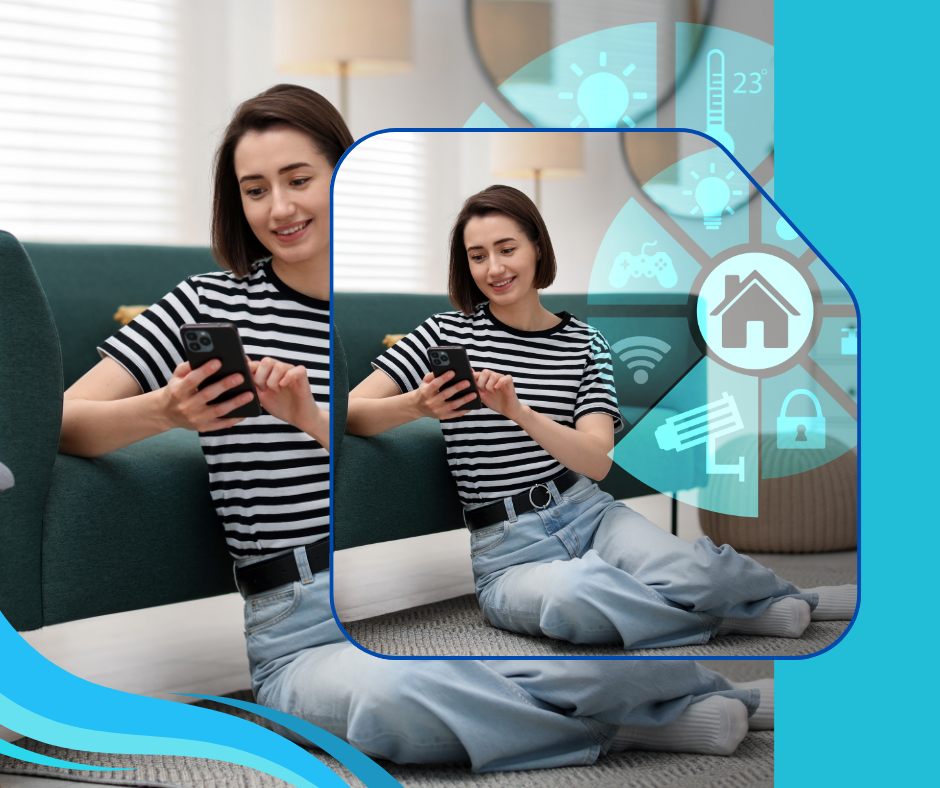
The days of juggling five different apps for five different devices are over. The modern trend relies on cohesive smart ecosystems (like Apple Home, Google Home, or specialised NDIS-compliant tablets) that link everything together. Participants can control windows, entertainment systems, kitchen appliances, and climate zones from a single interface or via voice control.
2. Proactive Security and Keyless Access
Smart locks, video doorbells, and automated internal intercoms are redefining personal safety. Participants can visually verify visitors, talk to them via a tablet, and unlock the front door without physically walking over. Automated sensors can also track water leaks, smoke, or sudden temperature drops, instantly alerting family members or support networks.
3. Integrated Health Monitoring
Modern smart homes are increasingly stepping up to track wellness metrics quietly and non-invasively. Sensor mats, wearable tech integrations, and automated lighting paths that activate during night-time movement help prevent falls, manage fatigue, and alert rostered care workers when immediate assistance is required.
Navigating the Tech Market Safely
Embracing smart innovation means ensuring your living situation remains secure, both legally and financially. If you live in a private rental, you might worry about how installing smart technology impacts your lease. Many devices are completely non-invasive and wireless, making them perfect for rental setups. To ensure you understand how to approach your landlord regarding technology and accessibility, read up on your tenancy rights: how to protect your independence in the rental market.
Furthermore, the booming popularity of smart home packages has unfortunately attracted deceptive operators making false promises about NDIS tech funding. Always protect your data and plan budget by reviewing our guide on how to avoid the trap: how to spot and prevent NDIS housing scams.
How Permalink Future-Proofs Your Home
At Permalink, we are passionate about connecting NDIS participants with cutting-edge housing solutions that stand the test of time. We help you stay ahead of tech trends by:
- Assessing Tech Compatibility: We help you evaluate your current environment to see how wireless and automated systems can maximise your independent living goals.
- Connecting with Registered Suppliers: Our network includes certified NDIS assistive technology specialists who understand how to safely install compliant, secure smart ecosystems.
- Tailored Housing Support: We look at your housing goals holistically, ensuring your physical structure, support staff, and automated technology work together seamlessly.
Furthermore, learn more about our services today!
You can also Follow us on social media for updates, success stories, and more!
 Coming Next Week: Navigating Emergency Accommodation: How the NDIS Supports Urgent Housing Transitions
 Recommended for You:
Last Week’s Feature: Retiring in Place: How to Secure Ageing-in-Home Supports Under the NDIS
Deep Dive: Navigating SDA: How to Access Specialist Disability Accommodation Funding
NDIS Tips: Co-Living Harmoniously: How to Choose the Right Housemates in NDIS Housing