















Hidden life skills you gain with NDIS in 2026 show how everyday supports can quietly build confidence, independence, and personal growth for participants. In 2026, the NDIS continues to help individuals achieve meaningful goals while also helping them develop important abilities that improve daily living and long-term success.
While funding often focuses on therapies and structured supports, participants naturally develop many abilities through routine activities and community participation. These abilities help participants communicate effectively, manage responsibilities, and build stronger relationships. As a result, participants often experience greater independence and a better quality of life. For a broader understanding of how supports work together, you can also explore NDIS Services and Supports Explained, which outlines how different supports contribute to participant development.
Why Life Skills Matter More Than Ever in 2026
The NDIS helps participants achieve their goals. At the same time, regular support and everyday experiences strengthen important abilities. Support workers and programs do not always teach these abilities through structured lessons; instead, participants develop them during daily activities and social interactions.
For example, participants practise these abilities when they attend community programs, join group activities, or manage their daily routines. Furthermore, these experiences help participants build friendships and maintain independence.
In 2026, the NDIS continues to prioritise participant empowerment. Because of this focus, participants and providers recognise the importance of building everyday abilities for long-term independence. Participants who understand their supports often build stronger confidence, which is also explored in Navigate The NDIS With Permalink Support Services, where understanding support options is linked to personal growth.
Communication and Social Life Skills
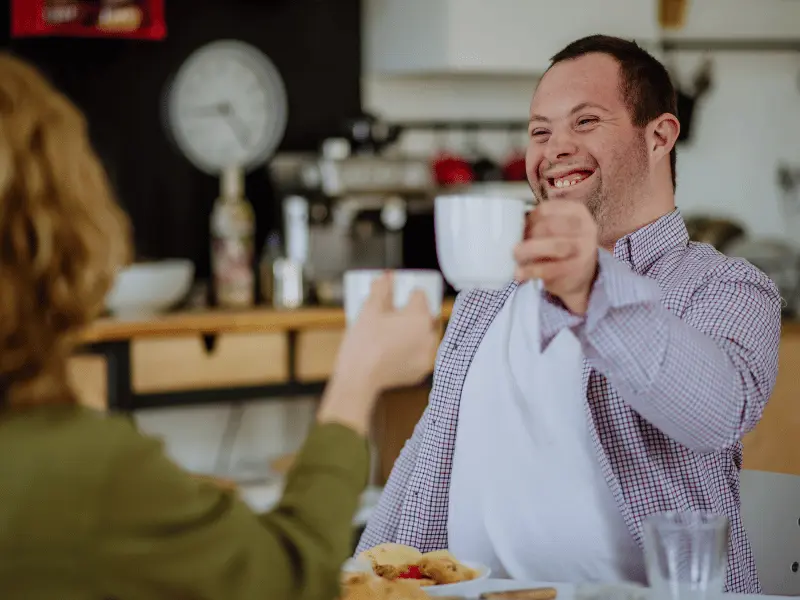
Communication is one of the most valuable abilities participants gain through NDIS supports. Community participation and group programs help participants improve social skills gradually. For instance, participants learn to express their needs clearly and engage in conversations with confidence.
Additionally, participants build relationship skills when they interact with peers, support workers, and community members. Over time, stronger communication helps participants feel more comfortable in social environments. Consequently, social confidence increases.
Structured activities and guided interactions support these abilities. Support workers encourage positive behaviours and address communication challenges consistently. Activities that promote social development are also discussed in Group Activities & Community Programs: How to Unlock Your Potential, which explains how community programs strengthen teamwork and confidence.
Daily Living and Independence
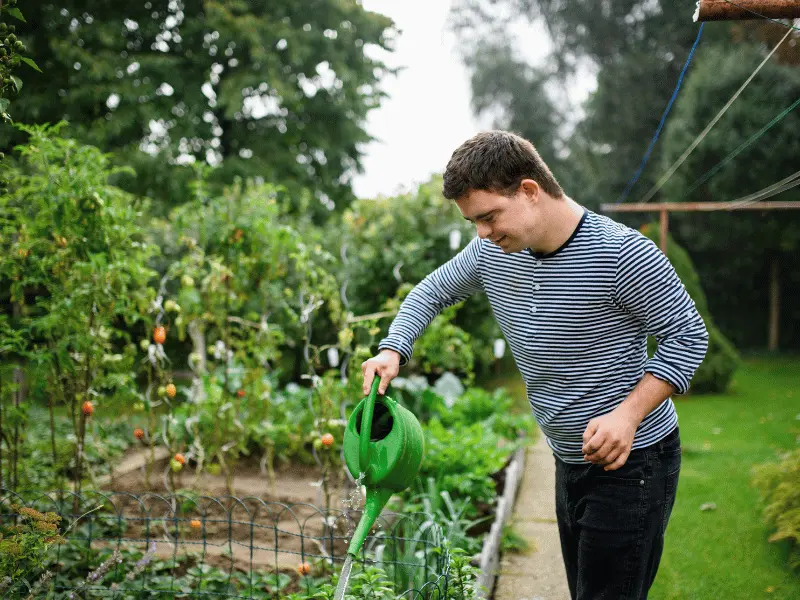
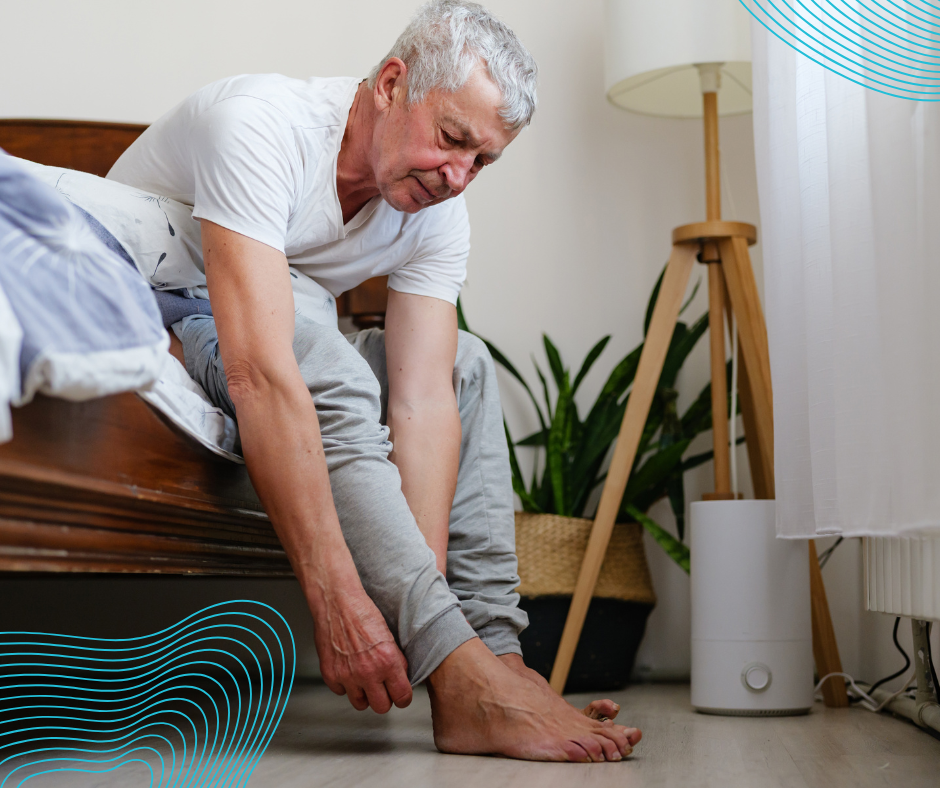
Daily routines play an important role in building independence. Everyday supports strengthen essential abilities such as cooking, cleaning, and personal organisation. These skills help participants manage their living environments more effectively.
In addition, participants develop time management when they follow schedules and plan activities. Gradually, they take on more responsibility and build confidence. Because participants practise these abilities consistently, they complete tasks with less assistance.
Participants build independence through repetition and guided support. Over time, these abilities become part of daily routines and help participants maintain long-term independence.
Decision-Making and Confidence Life Skills
Decision-making is another important area that builds independence. Participants make choices about activities, routines, and personal goals, which improves their decision-making abilities.
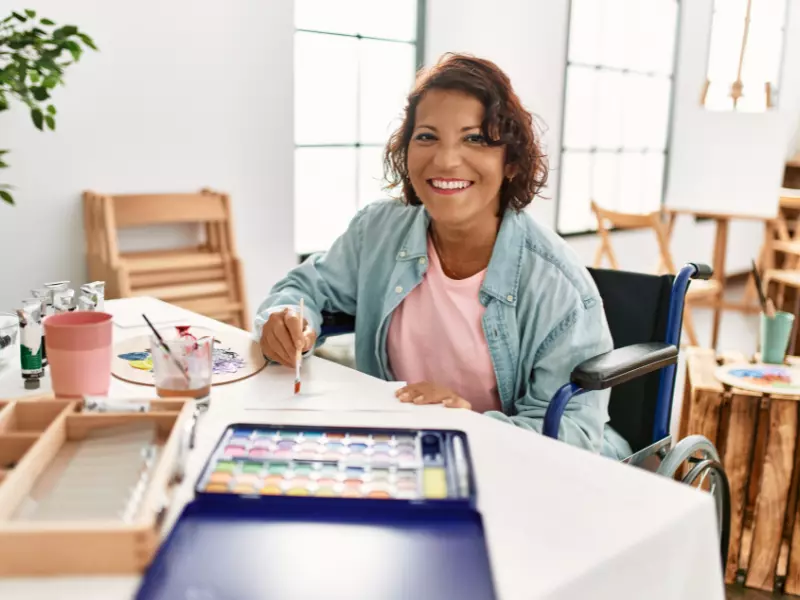
Participants also build confidence when they try new experiences. For example, attending community events or learning hobbies encourages them to step outside their comfort zones. As a result, self-confidence grows and supports independence.
These abilities develop gradually as support workers guide participants and create safe environments for new experiences. This approach allows participants to build confidence at a comfortable pace.
Emotional Regulation and Personal Growth
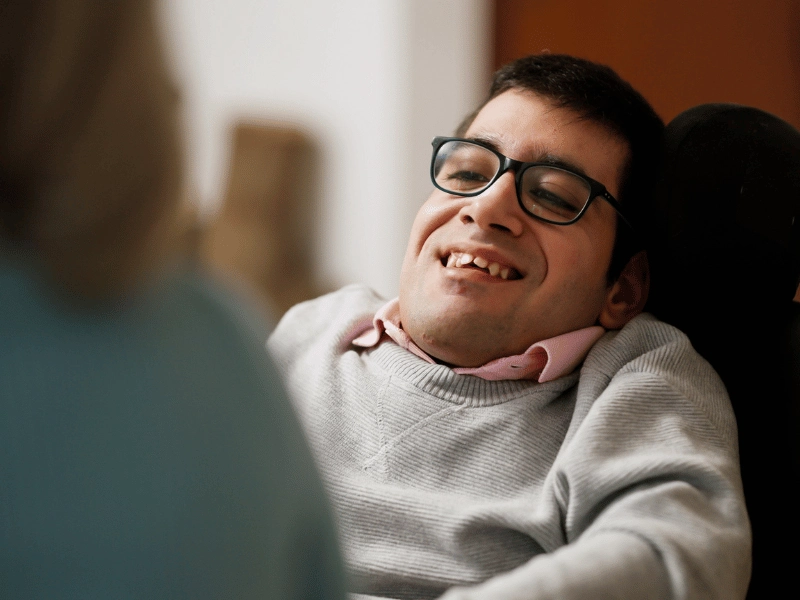
Emotional regulation is an essential part of personal development. Through NDIS supports, emotional life skills are strengthened during daily interactions and structured programs. Participants are supported in recognising emotions and responding appropriately.
Furthermore, problem-solving life skills are developed when challenges occur during everyday activities. Support strategies are introduced, and coping techniques are practised regularly. Over time, emotional life skills help participants manage stress and maintain positive relationships.
These life skills are particularly valuable because they support overall wellbeing. As emotional awareness improves, participants often feel more confident in both social and personal environments.
How Permalink Support Services Helps Build Life Skills
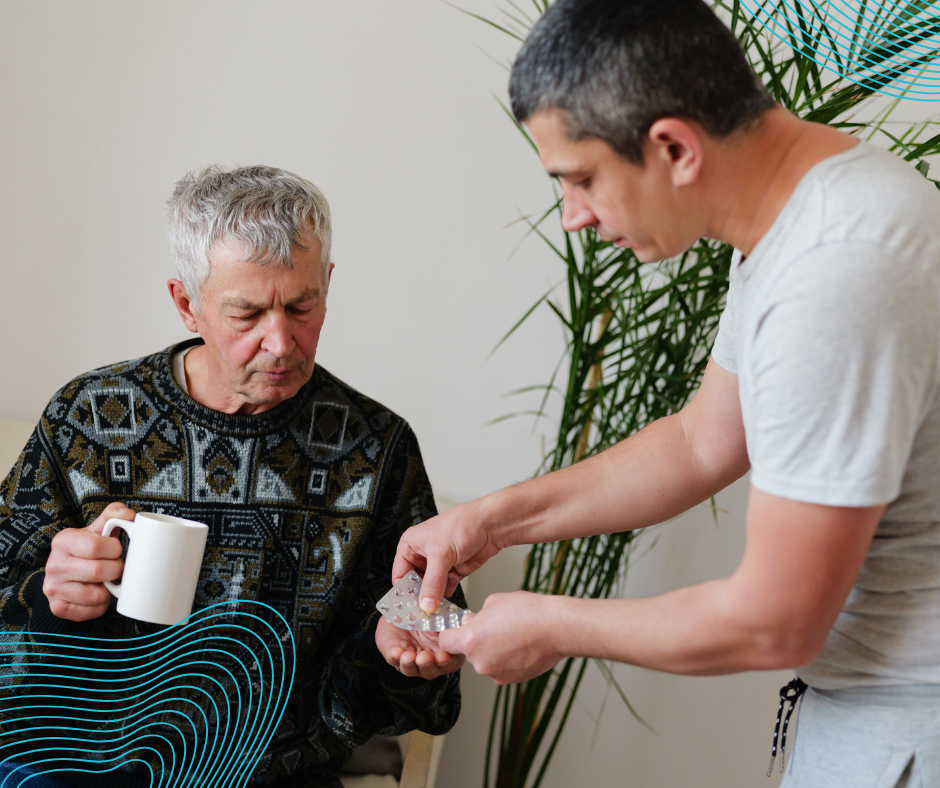
At Permalink Support Services, our team supports participant growth through personalised programs and meaningful activities. We prioritise individual goals; therefore, we tailor supports to help participants develop essential abilities.
Our team delivers lifestyle programs, community participation, and skill-building activities that strengthen abilities in real-world environments. Additionally, support workers provide guidance so participants can practise new abilities safely and confidently.
Our team regularly reviews progress and adjusts support strategies when needed. Because of this approach, participants develop abilities at a pace that suits them. Consistent support and positive reinforcement encourage long-term independence.
Looking Ahead to Life Skills Development in 2026
As the NDIS continues to evolve in 2026, the focus on building everyday abilities continues to grow. Participants are now focusing more on independence, personal development, and community participation. These opportunities help participants strengthen their abilities in meaningful ways.
Although supports may vary, strong personal and practical abilities consistently help participants achieve goals, build relationships, and live more independently. With the right supports, participants can continue to grow and succeed.
Furthermore, learn more about our services today!
You can also follow us on social media for updates, success stories, and more!
📅 Coming Next Week:
In our next blog, we’ll explore how participants manage fatigue, routine stress, and overwhelm by using supports such as respite, social programs, and lifestyle activities to maintain motivation, balance, and overall wellbeing in 2026.