


















Make your home safer for the family you love by transforming everyday living areas into secure, accessible environments tailored to your needs. A dwelling should always serve as a sanctuary, yet unaddressed physical barriers or improper layouts can introduce unnecessary daily hazards. By combining intelligent design adjustments with NDIS-funded home modifications and assistive technology, households across Australia can significantly reduce injury risks while nurturing lifelong independence.
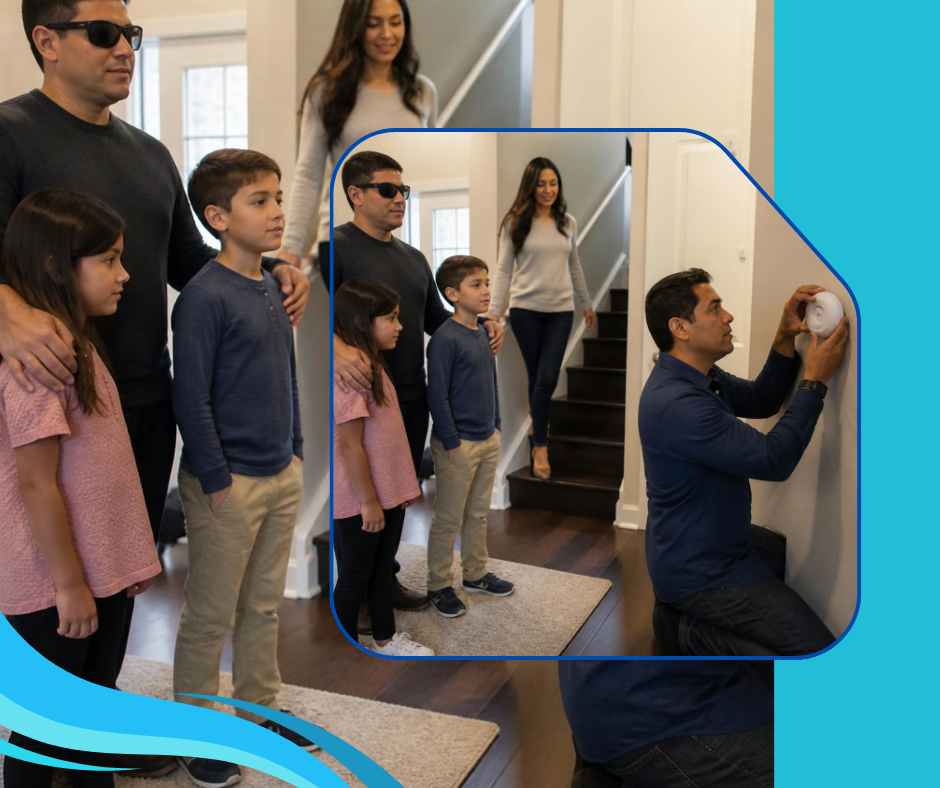
| Safety Domain | Core Hazard Identified | Targeted Modification Solution |
| Wet Areas (Bathroom/Laundry) | Slippery tiles, high shower lips | Step-free shower recesses, slip-resistant flooring, grab rails |
| Primary Access Routes | Stairs, narrow doorways, steps | Threshold ramps, widened door frames, clear circulation space |
| Kitchen & Dining | Inaccessible bench heights, deep cupboards | Height-adjustable counters, pull-down shelving, lever tapware |
Why Environmental Adjustments Make Your Home Safer Today
Proactively modifying residential spaces ensures that physical challenges do not compromise personal security or domestic comfort. Establishing an accessible interior framework helps maintain property standards and prevents wear, helping participants pass NDIS property inspections without stress over time.
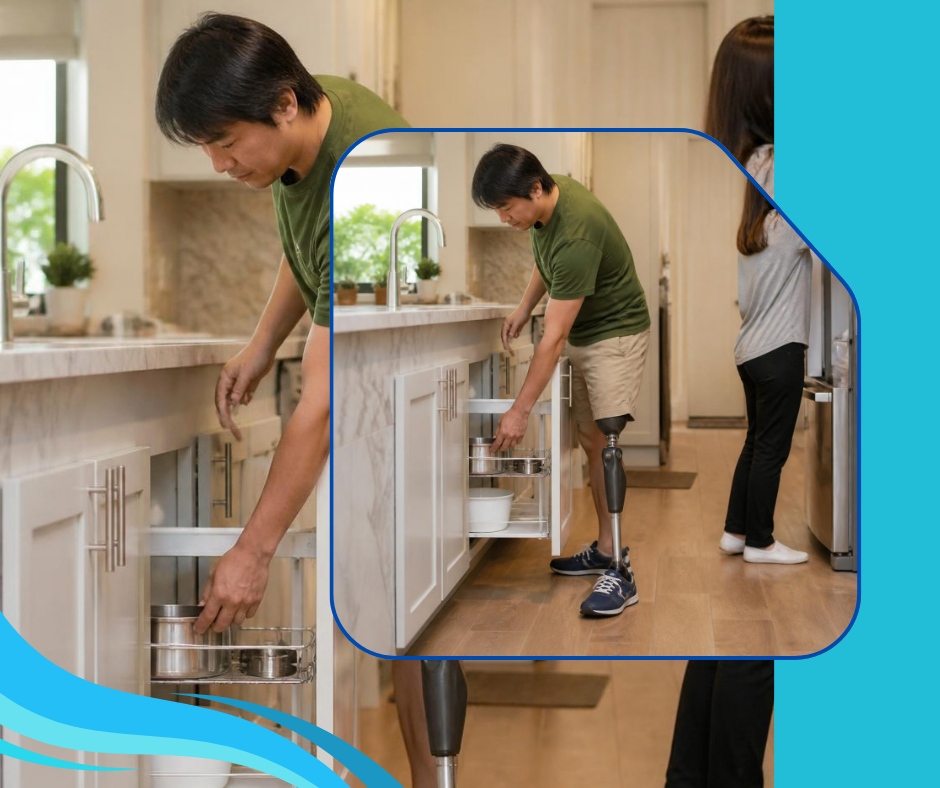
| Hazard Category | Risk Factor | Practical Prevention Strategy |
| Environmental Trips | Loose rugs, trailing cords | Secure cabling, install flat threshold strips |
| Low-Visibility Areas | Dim hallways, poor stair lighting | Motion-sensor LED strips, high-contrast switches |
| Mobility Bottlenecks | Cluttered corridors, tight turns | Maintain 1200mm clearance pathways throughout |
Three Essential Upgrades for Long-Term Home Protection
Creating a secure domestic space requires systematic, targeted improvements across key living zones:
1. Build Habits That Support Long-Term Tenancy
Installing physical safeguards works best when paired with sound home maintenance routines. Keeping living environments organised, clutter-free, and well-maintained forms the bedrock of residential stability, empowering participants to master sustainable tenancy for NDIS success over the course of their lease.
2. Extend Safety Measures Beyond the Front Door
True home security includes feeling connected and confident in your surrounding neighborhood. Ensuring safe outdoor access such as installing sensory lighting along entry paths or building smooth rampways makes community outings effortless. Strengthening local connections highlights how community inclusion enhances NDIS independent living across every stage of life.
3. Implement Assistive Technology Solutions
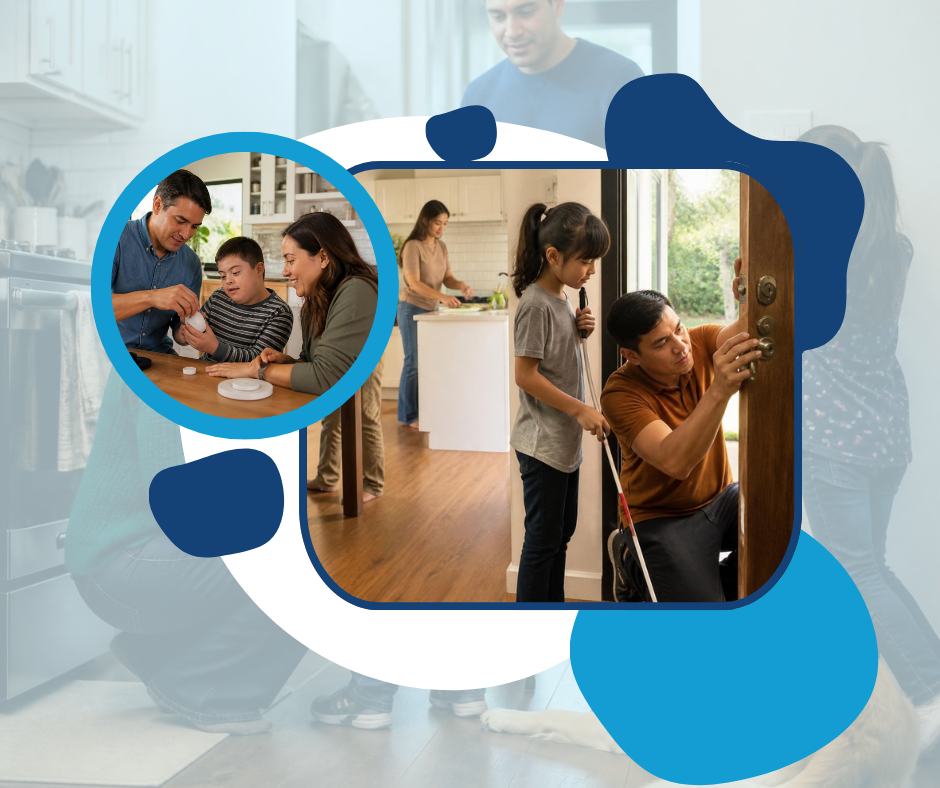
Integrating modern assistive technology adds an immediate layer of protection for every family member. Smart sensors, automated door openers, and emergency call systems allow individuals with complex needs to move freely while giving support networks total peace of mind.
How Permalink Helps Secure Your Ideal Living Space
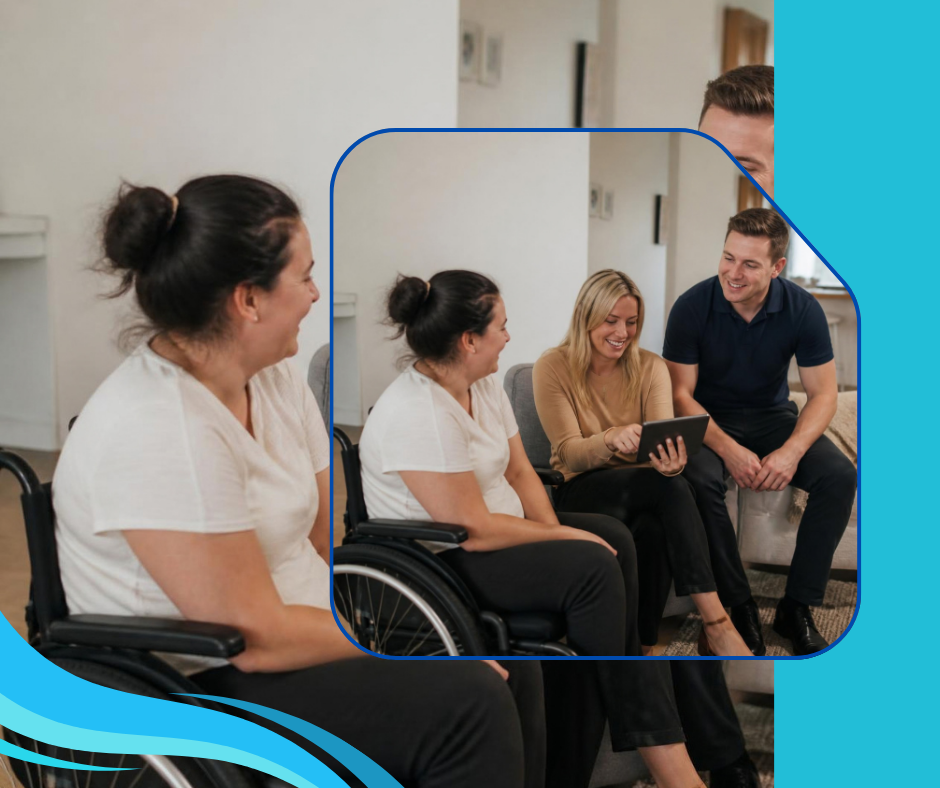
At Permalink, we assist participants in finding and maintaining homes that prioritise safety, dignity, and independence. Our team supports you by:
- SDA & SIL Property Matching: Connecting you with purpose-built Specialist Disability Accommodation (SDA) and Supported Independent Living (SIL) options.
- Home Modification Guidance: Collaborating with Occupational Therapists to identify and implement home accessibility modifications.
- Ongoing Tenancy Advocacy: Providing continuous support to ensure your living environment remains safe, compliant, and comfortable.
Furthermore, learn more about our services today!
You can also Follow us on social media for updates, success stories, and more!
 Coming Next Week: Secure Total Peace of Mind with Tailored Core Supports
 Recommended for You:
Last Week’s Feature: How to Plan an Accessible Home Relocation Successfully
Deep Dive: How to Secure Public Housing Register Approval Fast
NDIS Tips: How to Apply for NDIS Private Rentals with Pension Income