

















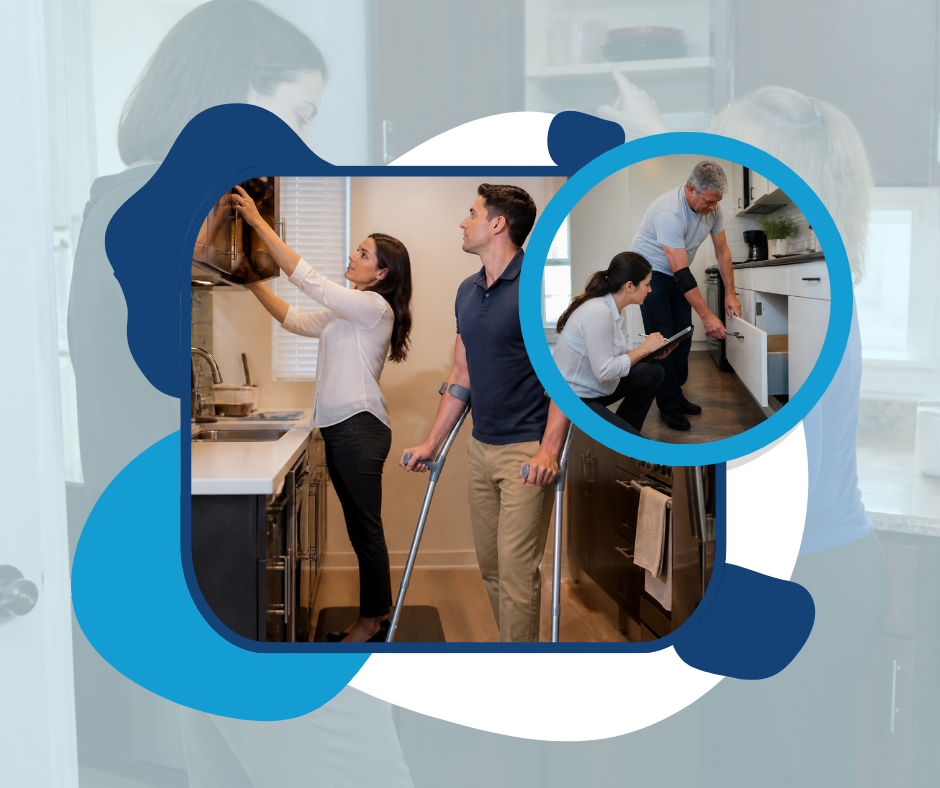
Occupational Therapy serves as a vital clinical discipline under the NDIS, dedicated to identifying environmental barriers, improving functional mobility, and safeguarding personal independence inside the home. Transforming your living space into a secure, accessible environment goes beyond basic modifications; it requires a comprehensive physical and environmental evaluation conducted by a qualified clinician. Professional home assessments systematically identify trip hazards, awkward transfer angles, and inaccessible fixtures, replacing physical strain with custom ergonomic strategies that protect your daily safety.
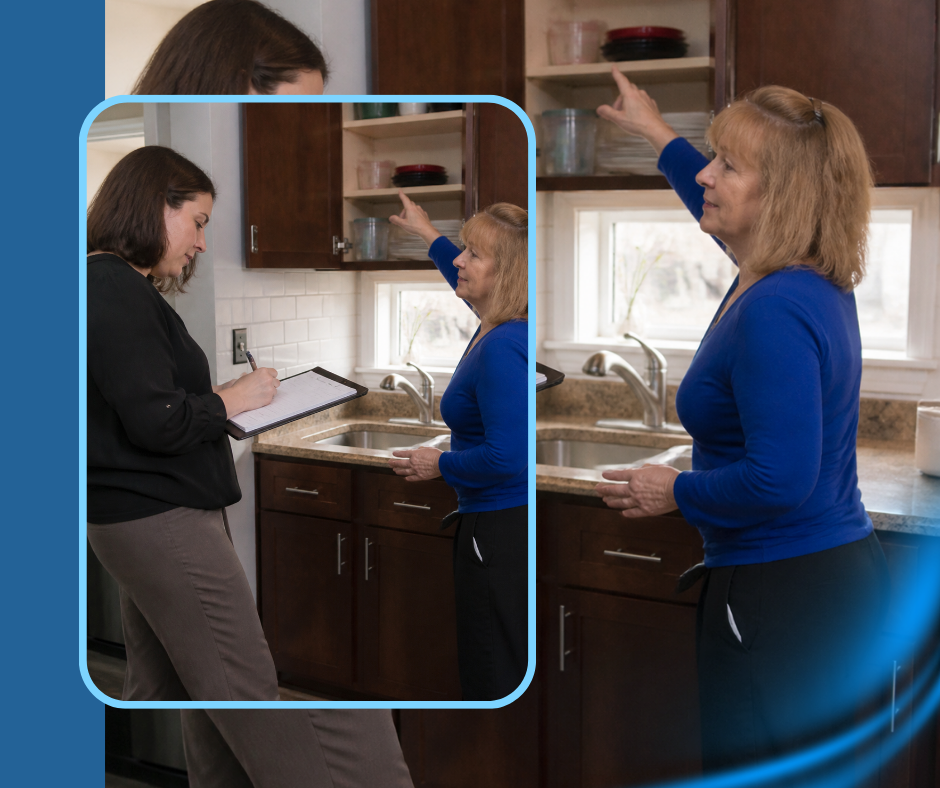
At Permalink Support Services, we prioritise proactive home safety through evidence-based clinical partnerships. We understand that maintaining your independence relies on a living space that works with your physical capabilities, not against them. By connecting you with experienced occupational therapists, we ensure your home environment is modified to support your daily routines smoothly.
Conducting Home Evaluations Through Occupational Therapy Frameworks
A professional environmental evaluation forms the structural foundation of a safe living environment. During a clinical assessment, an occupational therapist analyses your daily movement patterns, transfer techniques, and hazard touchpoints across high-risk areas like bathrooms, kitchens, and doorways. Implementing tailored ergonomic modifications such as custom grab rails, level-threshold ramps, and adaptive seating drastically reduces fall risks and physical fatigue, allowing you to navigate your home with total peace of mind.
Building a safer physical environment creates the necessary confidence to engage more active social and community routines outside the home. Reducing daily physical strain at home conserves your overall energy for personal hobbies and social outings. Exploring Group Activities and Community Programs: 5 Proven Ways to Connect demonstrates how a secure domestic foundation empowers you to expand your social footprint confidently.
Enhancing Daily Functionality via Occupational Therapy Home Solutions
Ergonomic modifications extend well beyond structural alterations; they encompass adaptive tools and customised skill strategies that streamline personal care and meal preparation. Tailoring counter heights, installing lever taps, and introducing specialised eating utensils allow participants to execute daily tasks without relying constantly on physical support workers. These practical adjustments foster long-term self-reliance while preserving your daily dignity.
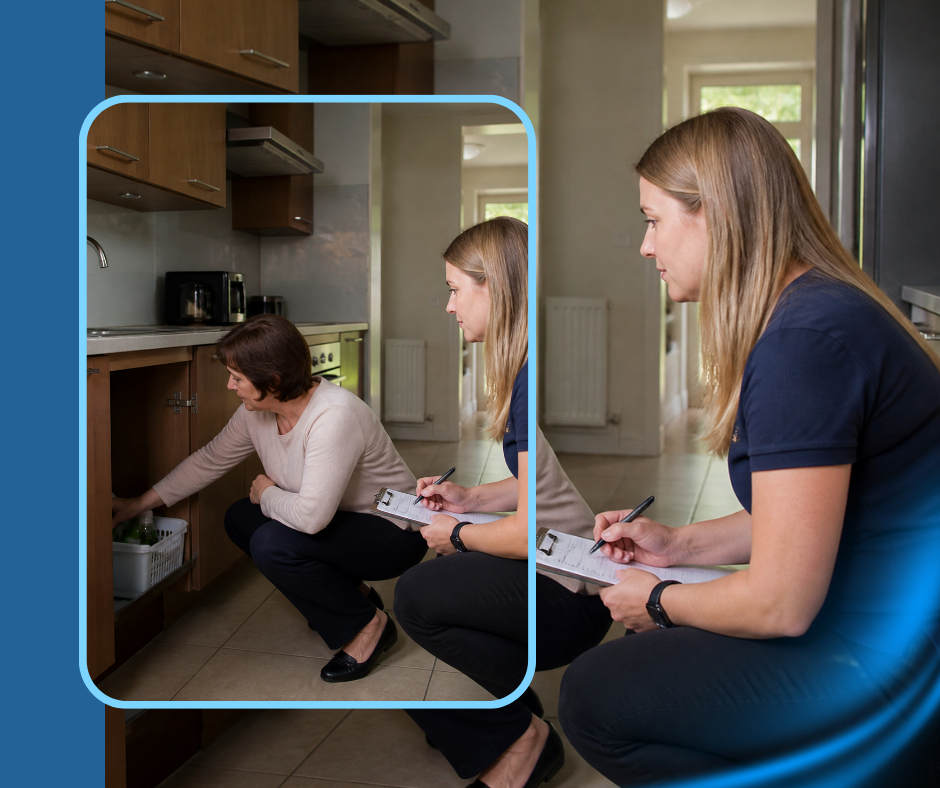
Integrating practical home adaptations works side-by-side with developing self-reliance across all daily routines. Mastering adaptive equipment helps you take full ownership of your household schedule. Learning Development of Life Skills: How to Build Daily Independence Successfully illustrates how combining ergonomic tools with practical training builds long-term personal autonomy.
Resolving Complex Modification Challenges with Occupational Therapy Support
When environmental hazards overlap with severe physical disabilities, progressive neurological conditions, or complex behavioral risks, designing home modifications requires high-level clinical coordination. Securing NDIS Capital funding for major structural changes such as roll-in showers or ceiling hoists demands comprehensive functional capacity reports and precise engineering justifications. Specialist coordinators streamline communication between builders, therapists, and NDIA planners to ensure your modifications are approved and executed without unnecessary delays.
When complex health profiles make home modification approvals difficult to navigate, senior care management ensures your clinical evidence meets all regulatory standards. Overcoming administrative friction keeps your environmental upgrades moving forward smoothly. Reviewing Specialist Support Coordination: 5 Proven Ways to Choose Your Level outlines how specialist coordination resolves complex modification bottlenecks and secures essential home safety funding.
How Permalink Safeguards Your Domestic Independence
Creating a safe, hazard-free home shouldn’t be a complicated or stressful process. At Permalink Support Services, we act as your dedicated liaison connecting you with qualified occupational therapists, organising quotes for home modifications, and managing funding requests with the NDIA.
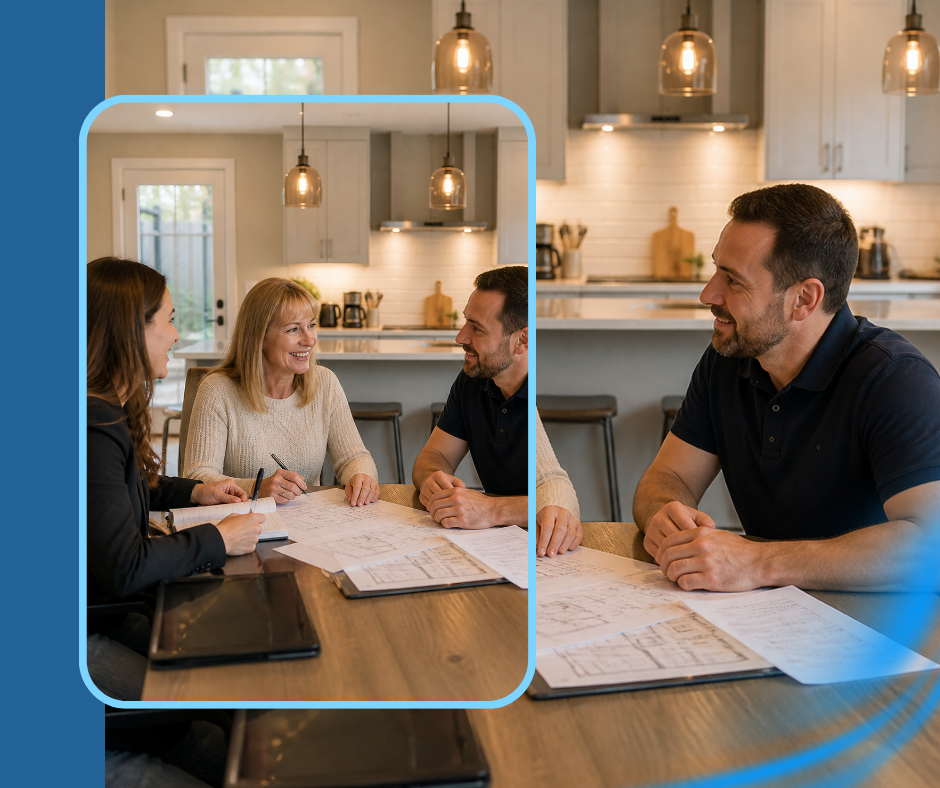
Our team manages the administrative tracking and provider coordination behind the scenes, ensuring your home is customised to deliver maximum safety, comfort, and independence.
Ready to Secure Your Home with Occupational Therapy?
Whether you require a comprehensive home safety assessment, ergonomic equipment recommendations, or complex bathroom modifications, our team is here to support your domestic goals every step of the way.
Furthermore, learn more about our services today!
You can also Follow us on social media for updates, success stories, and more!
 Coming Next Week: NDIS Plan Management: How to Control Your Budget Without Administrative Stress.
 Recommended for You:
Last Week’s Feature: Speech Therapy: How Modern Assistive Tech Unlocks Clear Communication
Deep Dive: In-Home Care Support: How to Maximise Personal Care Efficiency