




















The NDIS document organisation hack you actually need right now. Does this sound familiar? Invoices are scattered in your email, you can’t find that one service agreement, and your NDIS plan is buried under a pile of mail. If so, you’re not alone. It’s a common problem that turns managing your NDIS documents into a stressful, full-time job.
However, there is a better way. In fact, a simple digital system can keep all your important NDIS documents safe, organised, and easy to access from your phone, tablet, or computer. This is a key part of Choice and Control: How to Have It Your Own Way? in your NDIS journey. Therefore, this guide will show you how to sort your NDIS documents for good.

What NDIS Document Should You Keep?
First and foremost, you need to know what NDIS documents to keep. Your digital filing cabinet for your NDIS documents must be comprehensive. Specifically, you should include:
- Your NDIS Plan: Every version, past and present. You’ll especially need these when it’s time for your NDIS Plan Review in 2025: How To Prepare. In addition, keep any notes from your planning meetings, which are vital for Goal Setting in 2025: How to Achieve More Every Day.
- Service Agreements: These crucial NDIS documents are your contracts with providers. We have a full guide on your Service Agreement: How To Prepare and Stay in Control?.
- Financial Records: This is absolutely vital, especially for NDIS Funding: A Guide to Effective Management. For example, you must keep all invoices and receipts. These NDIS documents are essential, especially if you are self-managed. We explain this more in NDIS Therapy Invoicing: What NDIS Participants Need to Know. Furthermore, you must keep these financial NDIS documents for at least five years.
- Reports & Assessments: Moreover, all progress reports, functional assessments, and any reports submitted to the NDIS are vital NDIS documents to have on file. These often justify your need for things like Assistive Technology Funding: How to Maximise Your Plan.
- Key Communications: Likewise, important emails or letters with the NDIA or your providers are also important NDIS documents to save. These can be crucial if you ever need to look into NDIS Complaints and Appeals: How to Handle in 2025.
How to Organise Your NDIS Documents Digitally
Now that you know what to keep, let’s talk about how to organise these NDIS documents.
Step 1: Choose Your Cloud Hub. To begin with, use a cloud service like Google Drive, OneDrive, Dropbox, or iCloud. The reason for this is that your NDIS documents are then automatically backed up and available on all your devices. As a result, if you lose your phone, your NDIS documents are still safe.
Step 2: Create Smart Folders. Next, you must create a logical folder system for your NDIS documents. For instance, you could have a main folder called My NDIS Documents and inside it, create subfolders like NDIS Plan, Invoices, and Reports. This is also a great way to understand your NDIS Funding Categories: How to Understand to Get the Best Out of It. Consequently, finding specific NDIS documents becomes much easier and faster.
Step 3: Use Clear Naming. Furthermore, how you name your NDIS documents matters. Instead of a name like scan_001.pdf, you should name your NDIS documents something clear. For example, ProviderName_Invoice_Nov2025.pdf. This makes searching for your NDIS documents a breeze.

Tools to Make Managing NDIS Documents Easy
In addition to folders, you can use specific tools to help manage your NDIS documents.
- Your Phone is a Scanner: Believe it or not, you don’t need a fancy scanner. Your phone’s built-in Notes app (iPhone) or the Google Drive app (Android) can scan paper NDIS documents and save them directly as PDFs. This is a simple form of Assistive Technology in 2025: How to Unlock Daily Potential. Therefore, you can digitise your paper NDIS documents on the go.
- myNDIS App & Portal: The official myNDIS app and the myplace portal are essential tools. We explore them in Can the myNDIS App Support Better Plan Management? and NDIS Participant Portal (myplace): How to Navigate.
- Plan Manager Apps: Similarly, if you are plan-managed, your plan manager likely has an app. This is an excellent tool for tracking your NDIS documents and is a key factor when choosing your NDIS Service Provider: How to Choose the Right Partner.
Keeping Your NDIS Document Safe
Finally, let’s talk about security for your NDIS documents. Above all, your NDIS documents contain sensitive information.
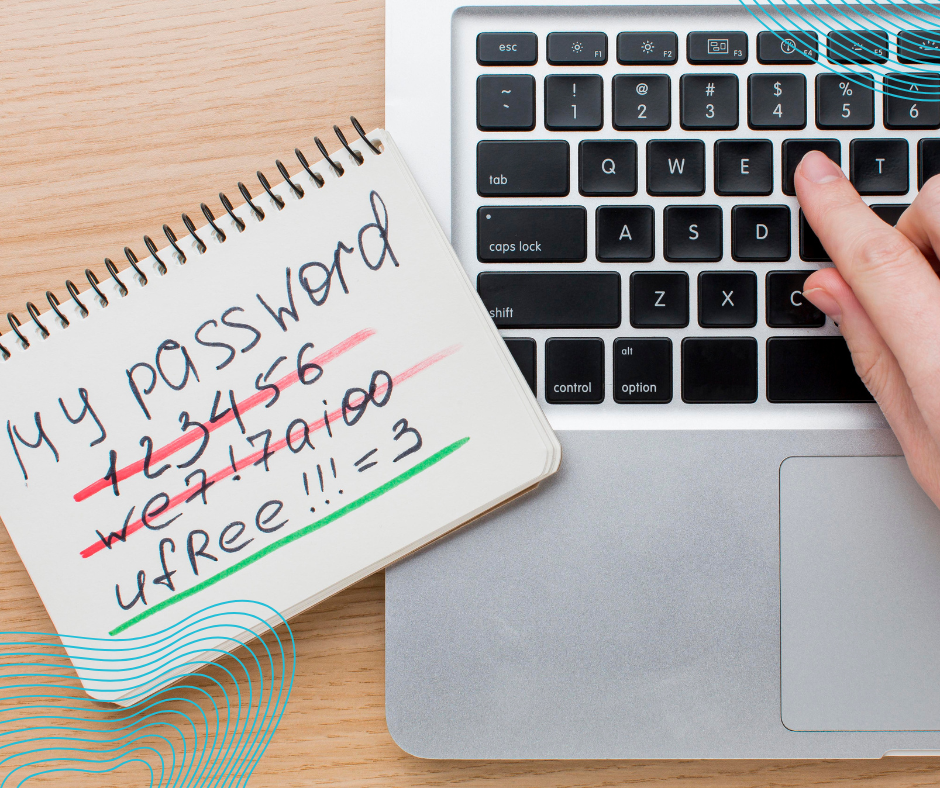
- Use Strong Passwords: Obviously, you must use a strong, unique password for myGov.
- Turn on Two-Factor Authentication (2FA): Moreover, you should enable 2FA for myGov and your cloud storage. This adds a crucial layer of security for all your NDIS documents.
- Lock Your Devices: Lastly, always use a passcode, Face ID, or fingerprint lock on your phone, tablet, and computer. As a result, your NDIS documents are protected if your device is lost or stolen.
This topic is so important, we wrote a dedicated post: Are You Making These NDIS Online Security Mistakes?.
In conclusion, getting your NDIS documents sorted isn’t as hard as it seems. By following these steps, you can create a safe and organised digital system. Consequently, you’ll have all your NDIS documents at your fingertips, which means less stress and more peace of mind.
How Permalink Helps You Stay Organised and In Control
Being organised is the first crucial step. The next is putting that plan into action.
That’s where we come in.
At Permalink, we are NDIS support service experts. We know that a well-organised NDIS plan is the key to unlocking your goals. This digital system doesn’t just reduce your stress; it makes it easier for you, your Support Coordinator, and our team to work together seamlessly.
When your documents are in order, you can confidently engage the right supports to help you:
- Build independence at home
- Engage with your community
- Develop new life skills
- Work towards your personal goals
Our job is to help you take that organised plan and turn it into real-world outcomes. Less time on paperwork means more time for living.
Furthermore, learn more about our services today!
You can also Follow us on social media for updates, success stories, and more!
📅 Coming Next Week:
In our next blog, we’ll explore how your NDIS Access Request and your medical evidence go hand-in-hand to build a strong application, covering what reports you need, who to get them from, and how to show functional impact.