













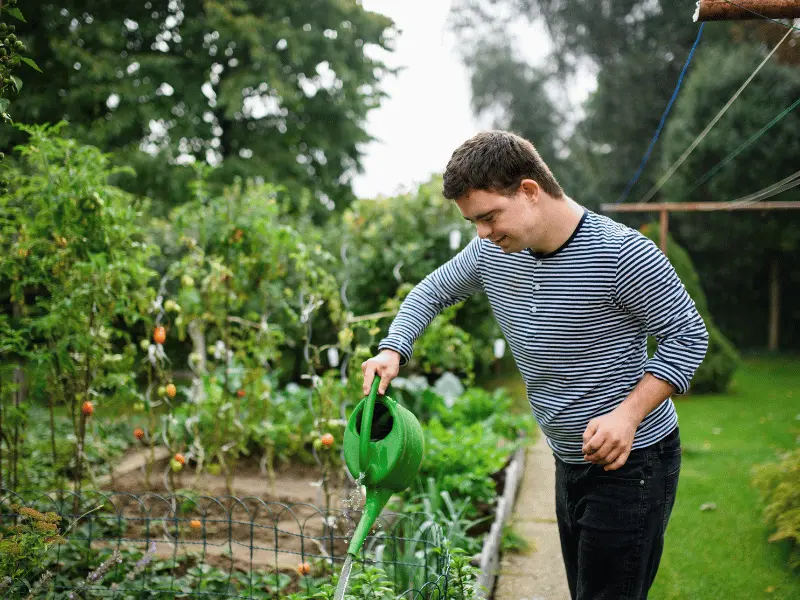








Do You Need Better Support Balance with NDIS in 2026? It’s a fair question. Many participants are working hard to build independence, achieve goals, and stay active in their communities. However, when routines become too full and expectations feel constant, support balance can quietly slip away.
Progress matters, but wellbeing matters just as much. Without proper support balance, fatigue, stress, and overwhelm build over time. Fortunately, NDIS supports help participants move forward while also giving them space to pause, reset, and protect their overall wellbeing. Therefore, reviewing your current routine may be the first step toward restoring stability.

Why Support Balance Matters in 2026
In 2026, participants are taking on more opportunities than ever before. For example, employment supports, therapy sessions, community programs, and personal goals all drive growth. At the same time, energy has limits. As a result, maintaining the right balance becomes essential.
When schedules overload, clear signs of imbalance show up. Motivation drops. Social activities feel exhausting. Daily tasks take longer to complete. Over time, this strain can lower confidence. Therefore, a healthy balance prevents this cycle before it escalates.
Balance is not a luxury. It is essential for long-term success. When participants maintain consistent routines and realistic supports, they continue progressing without feeling overwhelmed.
Using Respite to Restore Support Balance
Short-Term Accommodation and respite supports strengthen support balance. These structured breaks give participants space to recharge physically and emotionally, rather than slowing their progress.
If you would like to understand how respite funding works, you can explore our blog Funding Your Short-Term Accommodation, which explains how these supports fit within your plan. Additionally, planning your budget carefully can strengthen support balance over time. Our guide NDIS Respite Budgeting: How to Plan Ahead for Short Breaks outlines how participants can manage funding wisely.
During respite stays, participants step away from daily pressures and reset their routines. As a result, stress decreases and energy returns. Consequently, when they return home, they often feel stronger and more stable.
In 2026, participants and providers are encouraging proactive use of respite. Rather than waiting for exhaustion, they can schedule recovery time intentionally to protect long-term wellbeing and routine stability.
Social Programs That Prevent Burnout
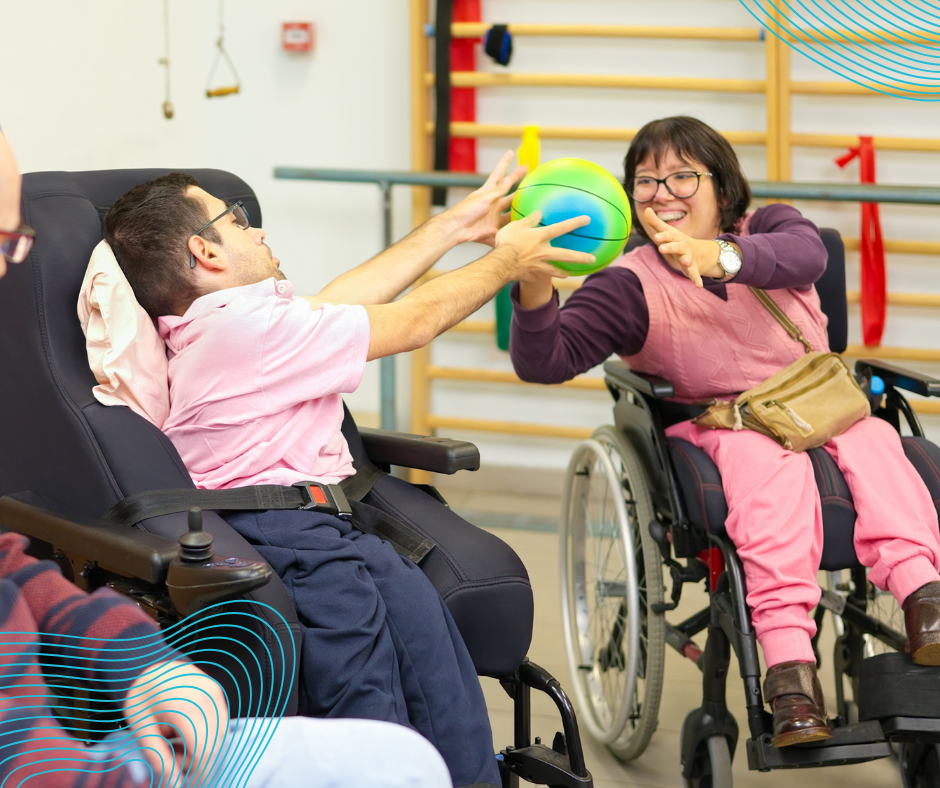
Social programs can also improve support balance when they are chosen thoughtfully. On one hand, community participation provides connection and structure. On the other hand, activities must align with energy levels and personal goals.
Guided group activities offer structured engagement without overwhelming pressure. If you are exploring options, our blog Group Activities & Community Programs: How to Unlock Your Potential highlights how social programs can build confidence while maintaining support balance.
When activities are balanced correctly, social interaction becomes energising rather than draining. In addition, support workers provide reassurance and guidance, which helps participants engage at their own pace. As a result, balanced social engagement protects motivation while reducing isolation.
Recognising When Your Support Balance Is Off
Fatigue does not always appear suddenly. Instead, it develops gradually when participants lose support balance. For example, they may feel tired even after rest or start avoiding social activities altogether.
In addition, motivation can drop, stress levels can rise, and concentration can become harder to maintain. If participants recognise these signs early, they can review and adjust their support balance.
Participants can modify their supports. They can refine their schedules. Because of this, small changes prevent larger setbacks and restore stability before burnout begins.
Adjusting Your Supports as Life Changes
Life in 2026 is not static. Goals evolve. Circumstances shift. Energy levels fluctuate. Therefore, support balance should evolve as well.
Regular check-ins with providers help ensure routines remain realistic and sustainable. If fatigue increases, activities can be reduced temporarily. Conversely, if motivation improves, new opportunities can be introduced gradually.
This flexibility is one of the strengths of the NDIS framework. When adjustments are made early, support balance remains aligned with personal needs, and progress continues steadily.

How Permalink Support Services Supports Balance
At Permalink Support Services, maintaining the right balance is a priority. We structure supports to encourage growth while protecting mental and physical wellbeing.
We design respite options, social programs, and lifestyle activities with care. In addition, we maintain open communication so we can adjust supports whenever needed. Because of this approach, participants can pursue their goals without sacrificing stability.
Better balance does not mean doing less. Instead, it means creating sustainable routines that support independence and wellbeing at the same time.
Moving Forward in 2026
If routines feel overwhelming, it may be time to review your current supports. With the right combination of respite, social connection, and lifestyle activities, you can restore stability.
When balance is managed effectively, confidence grows. Likewise, stress reduces and goals become clearer. Most importantly, independence becomes sustainable.
In 2026, maintaining the right balance can help you move forward with steady progress, healthy routines, and renewed motivation.
Furthermore, learn more about our services today!
You can also Follow us on social media for updates, success stories, and more!
📅 Coming Next Week:
In our next blog, we’ll explore what a strong support worker-participant match really looks like in 2026, including communication styles, shared expectations, boundaries, and how the right fit can improve confidence, independence, and long-term wellbeing.