





















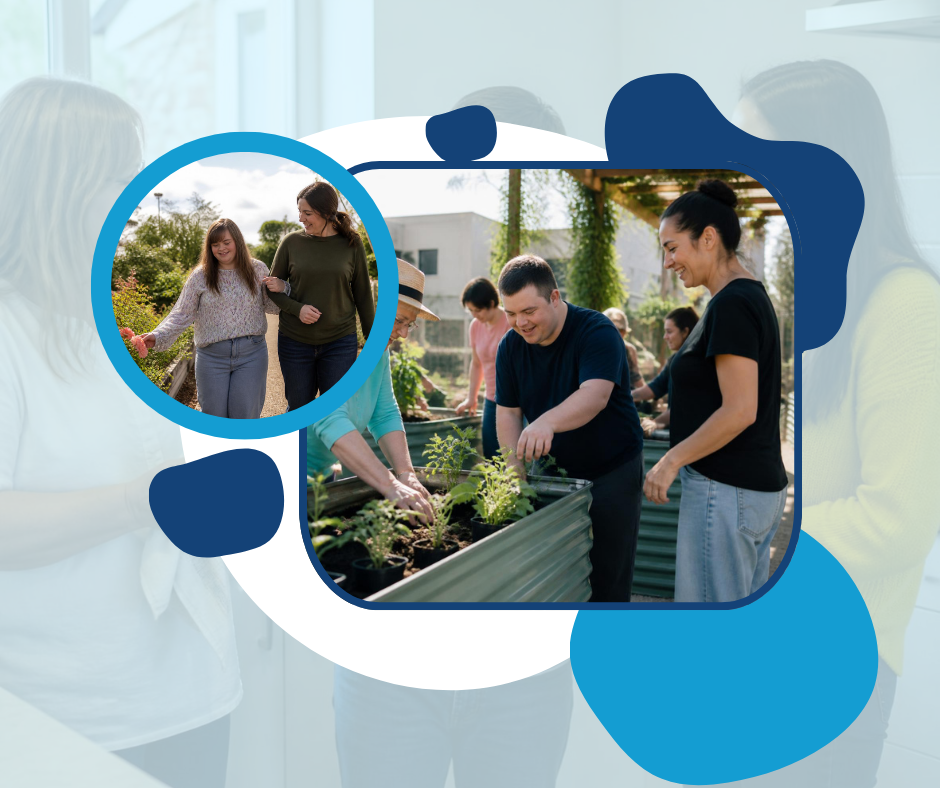
Community inclusion enhances NDIS independent living by transforming a physical residence into a vibrant, meaningful home life. Securing the right accommodation with the proper layout, accessibility features, and support roster is a massive victory. However, true autonomy does not stop at the front door. When participants are actively engaged with their local neighbourhood, local clubs, and social networks, their confidence grows, their mental well-being thrives, and their overall quality of life reaches new heights.
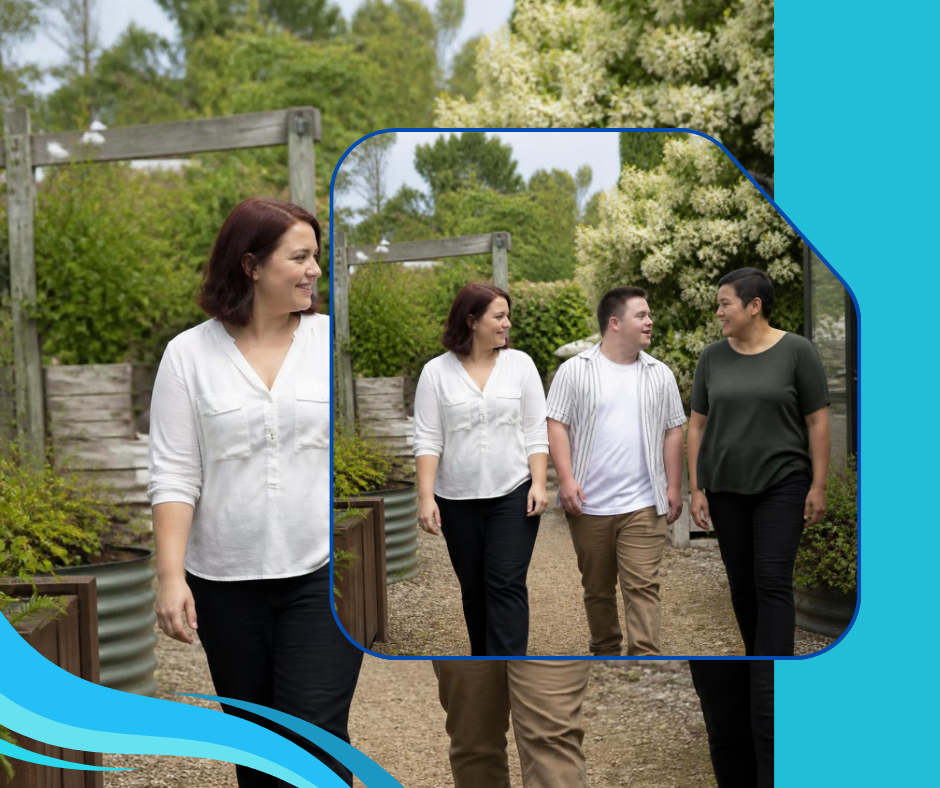
THE COMMUNITY INCLUSION FLYWHEEL
| Stage | Description |
| 1. Neighbourhood Grounding | Establishing daily familiarity at local cafés, parks, and hubs |
| 2. Active Social Connection | Joining interest groups, clubs, and community programs |
| 3. Sustainable Independence | Reducing isolation and building natural, long-term support networks |
Why Community Inclusion Enhances NDIS Independent Living Beyond the Front Door
Understanding how community inclusion enhances NDIS independent living requires looking past traditional care metrics. A house provides shelter and safety, but active social participation provides purpose, identity, and belonging.
When participants step out into their communities regularly, several powerful benefits unfold:
-
- Natural Support Networks: Building relationships with local shopkeepers, neighbours, and club members creates informal safety nets that complement formal support rosters.
-
- Skill Application in Real World Environments: Navigating public transport, managing social interactions, and participating in local events build practical life skills far faster than indoor routines alone.
-
- Mental Health and Longevity: Regular social engagement significantly reduces the risk of isolation, anxiety, and depression, fostering a strong sense of personal fulfilment.
Three Practical Ways to Foster Social Connection in Your Neighbourhood
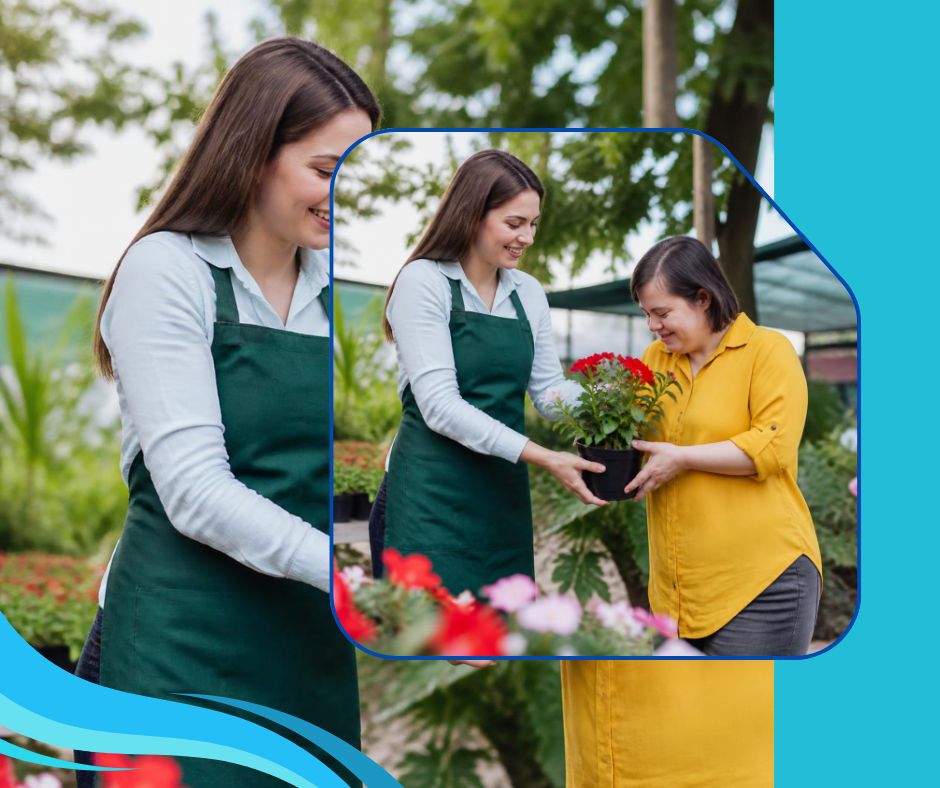
Bridging the gap between living in a home and thriving in a community takes intentional, step-by-step effort. Here is how you can embed community participation into your everyday lifestyle:
1. Design a Customised Living Environment
Your housing framework should empower you to choose how and when you connect with others. For instance, opting for flexible arrangements like Individualised Living Options (ILO) lets you design a supportive lifestyle around housemates or host arrangements that naturally encourage social participation.
2. Leverage Technology to Stay Connected
Staying active in your community requires an energy-efficient home routine. Integrating smart home automation trends in accessible housing streamlines your daily domestic tasks, leaving you with more energy and time to explore local events, attend workshops, or meet friends.
3. Maintain Stability During Living Transitions
Social connections rely on stability. If an unexpected life shift occurs and you need to move, knowing how to access emergency accommodation supports under the NDIS ensures that your living situation remains secure without severing ties to your local area.
How Permalink Connects Housing with True Independence

At Permalink, we believe that exceptional housing goes far beyond bricks and mortar. We help you build a life connected to your community by:
-
- Location-Focused Vacancies: We connect you with accommodation situated near public transport, vibrant shopping precincts, and accessible community hubs.
-
- Goal-Aligned Support Roster Planning: We ensure your Core Support hours are structured to facilitate active community access and local participation.
-
- Holistic Advocacy: We support your journey toward total autonomy, ensuring your home serves as a launching pad for an enriched social life.
Furthermore, learn more about our services today!
You can also Follow us on social media for updates, success stories, and more!
 Coming Next Week: How to Master Sustainable Tenancy for NDIS Success
 Recommended for You:
Last Week’s Feature: Protect Your Housing Funding: How to Master the NDIS Mid-Term Review
Deep Dive: Understanding Core vs Capital: How to Budget Your NDIS Plan for Long-Term Housing Stability
NDIS Tips: Transitional Pathways: How to Successfully Move Out of the Family Home